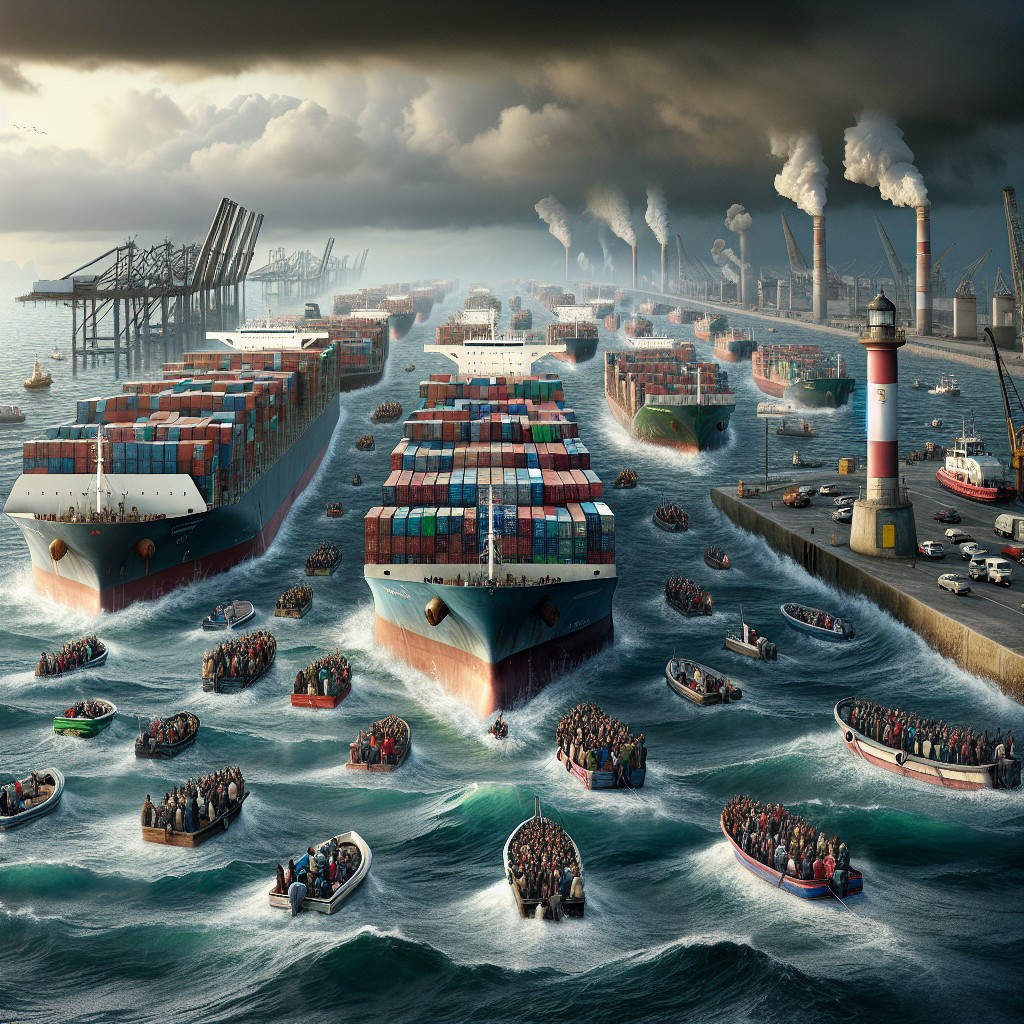
Global trade is increasingly challenged as key shipping routes face disruption from geopolitical tensions, environmental factors, and evolving regulatory landscapes. These pressures on shipping lanes have significant implications for the movement of goods worldwide, affecting supply chains and economic stability.
Geopolitical tensions impacting major shipping lanes
Several of the world’s busiest shipping lanes traverse regions experiencing heightened geopolitical volatility. The South China Sea, crucial for international maritime trade, is a hotspot due to territorial disputes and military posturing. Restrictions or blockades in such areas can delay shipments and force vessels to take longer, costlier routes. Similarly, the Strait of Hormuz sees periodic tensions that threaten oil shipments, critical to global energy markets.
Environmental challenges and their effects on shipping lanes
Environmental conditions are increasingly influencing the navigability of vital shipping lanes. Extreme weather events, such as typhoons and hurricanes, disrupt maritime schedules and cause temporary closures of ports and seaways. Furthermore, melting Arctic ice has opened new Northern Sea Routes during summer months, potentially reshaping established shipping lanes, but also raising concerns about environmental impact and navigational hazards in less-charted waters.
Regulatory changes shaping current shipping routes
International maritime regulations aimed at reducing emissions and improving safety are altering the dynamics of shipping operations. Compliance with new fuel standards and emission control areas means vessels might adjust routes to minimize costs and adhere to regional policies. Regulatory actions around piracy hotspots also influence shipping lanes, as ships adapt their paths to avoid high-risk areas to protect crew and cargo.
Technological developments and their role in managing disruptions
Advancements in maritime technology contribute to mitigating some challenges faced by shipping lanes. Improved navigation systems and real-time tracking enable fleet operators to respond dynamically to disruptions caused by weather or geopolitical events. Additionally, autonomous vessel technology and better port infrastructure aim to enhance efficiency and resilience, helping maintain the flow of goods even under adverse conditions.
Economic consequences of current disruptions to shipping lanes
The pressure on shipping lanes results in higher transportation costs and increased delivery times, affecting industries dependent on timely imports and exports. Supply chain bottlenecks can lead to shortages of essential goods and inflate prices, impacting consumers globally. Shipping companies face financial strain from rerouting and compliance costs, which may translate into broader economic repercussions given the integral role maritime trade plays worldwide.
Frequently Asked Questions about shipping lanes
What are the primary factors currently disrupting shipping lanes?
Geopolitical tensions, environmental conditions, regulatory changes, and security concerns are the main factors disrupting shipping lanes today, affecting their accessibility and efficiency.
How do environmental conditions influence shipping lanes?
Extreme weather events and climate change alter navigational safety and availability, prompting changes in shipping lanes to avoid hazardous conditions and optimize routes.
Why are geopolitical issues critical to shipping lanes stability?
Geopolitical disputes in key maritime regions can lead to blockades or restricted access, forcing ships to take longer routes and increasing risks and costs associated with shipping lanes.
Can technological advancements help reduce disruptions in shipping lanes?
Yes, improvements in navigation, vessel monitoring, and autonomous ship technology contribute to better management and quicker response to unforeseen challenges in shipping lanes.
What economic impact do disruptions in shipping lanes have on global trade?
Disruptions in shipping lanes can delay shipments and increase transportation costs, leading to supply chain issues and higher prices for goods worldwide.