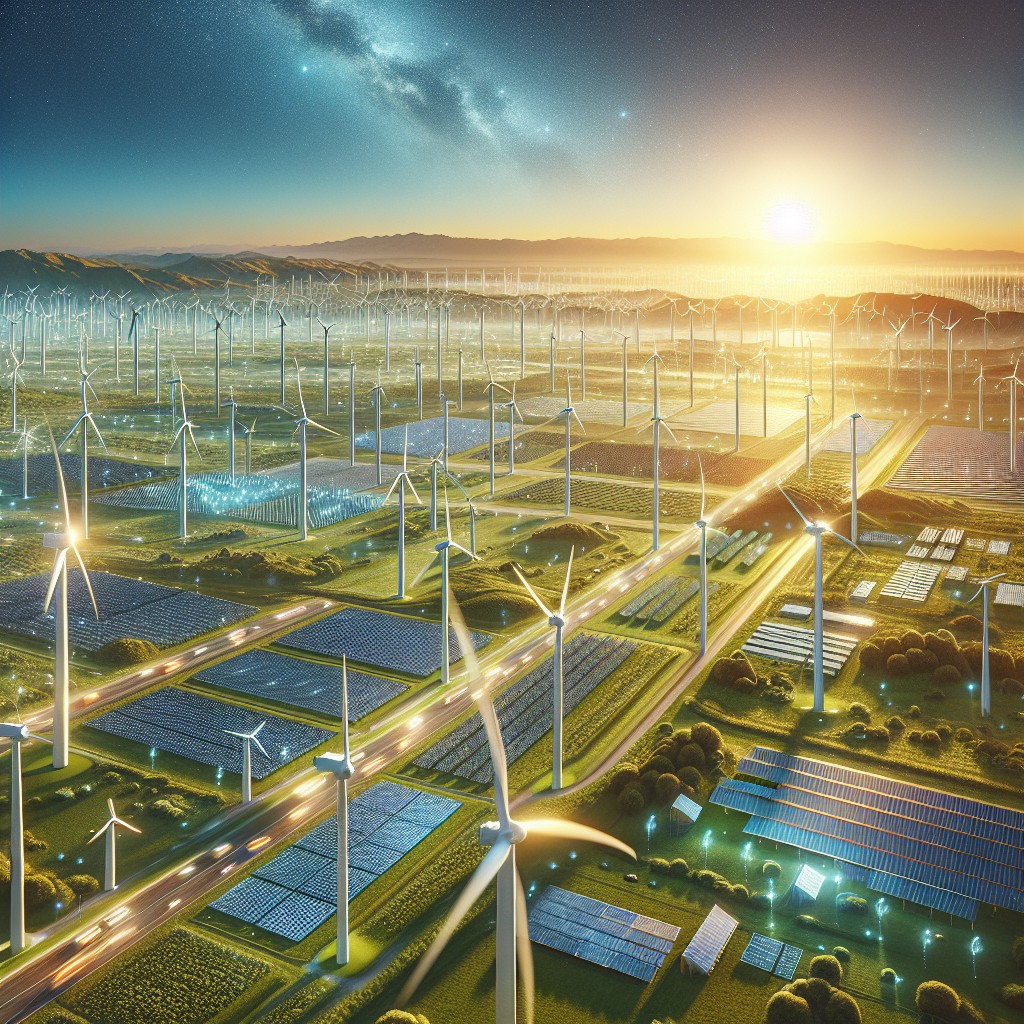
The global shift toward sustainable energy sources continues to accelerate, with renewables capacity expanding rapidly across various regions. As governments and private sectors prioritize climate goals and energy security, understanding where renewable energy capacity is scaling fastest offers insights into the future energy landscape.
Asia Leads in Renewables Capacity Expansion
Asia remains a dominant force in the increase of renewables capacity, driven largely by China and India. China alone has added record-breaking amounts of solar and wind power capacity in recent years, consolidating its position as the largest renewable energy market globally. The country’s commitment to carbon neutrality by 2060 fuels aggressive investments in renewables capacity, supported by policies and substantial financial backing.
India also registers significant growth, leveraging its abundant solar potential, increasing wind installations, and government initiatives such as the National Solar Mission. This growth aims to meet the country’s electricity demand sustainably while reducing dependence on fossil fuels.
Europe’s Steady Growth Through Policy Frameworks
Europe continues to expand its renewable energy infrastructure steadily, supported by comprehensive policy frameworks under the European Green Deal. Germany, Spain, and the Netherlands have seen considerable rises in renewables capacity, particularly in offshore wind and solar energy projects. Europe’s ambitious target to achieve climate neutrality by 2050 stimulates ongoing investments and innovation within the sector.
The region’s focus on grid modernization and energy storage complements the increased renewables capacity, facilitating better integration of intermittent renewable sources into national power systems.
North America’s Mixed But Significant Capacity Gains
In North America, the United States and Canada are notable contributors to renewables capacity expansion. The U.S. has experienced substantial growth in wind and solar power capacity, encouraged by federal incentives and state-level renewable portfolio standards. Canada’s large-scale hydroelectric power generation complements its expanding wind and solar energy projects, collectively improving the country’s renewable energy mix.
Private investments and technological advancements underpin the growth, with increasing emphasis on sustainable resource management and energy transition strategies.
Emerging Markets Making Rapid Advances
Emerging economies in Latin America, Africa, and Southeast Asia are making notable strides in renewables capacity development. Brazil and Mexico are investing heavily in solar and wind power to diversify their energy portfolios. South Africa and Morocco are spearheading renewable projects to address electricity deficits and reduce greenhouse gas emissions.
Although these markets face challenges such as financing and infrastructure development, international cooperation and climate financing mechanisms help accelerate renewables capacity growth in these regions.
Technological Innovation Driving Renewables Capacity
Technological advancements are crucial in scaling up renewables capacity worldwide. Improvements in solar panel efficiency, wind turbine design, and energy storage solutions enhance the viability and output of renewable energy projects. Additionally, emerging technologies like green hydrogen production and smart grid systems contribute to optimizing renewable resource utilization and integration.
Developments in digitalization and artificial intelligence also aid in forecasting and managing energy supply and demand, boosting overall renewables capacity effectiveness across diverse energy markets.
Overall, renewables capacity is expanding unevenly but significantly, shaped by policy decisions, market conditions, and technological progress.
As highlighted by international authorities like the International Energy Agency, robust renewables capacity is essential for meeting global climate objectives. Similarly, IRENA underscores that sustained growth in renewable energy capacity across regions is key to a sustainable energy transition.
Looking ahead, continuing investment, supportive regulations, and innovation will likely sustain the rapid build-out of renewables capacity globally, helping to shape a more resilient and low-carbon energy future.
Frequently Asked Questions about renewables capacity
What is renewables capacity and why is it important?
Renewables capacity refers to the maximum output of energy that can be generated from renewable sources like solar, wind, hydro, and biomass. It is important because it indicates a region’s ability to produce clean energy and reduce reliance on fossil fuels.
Which regions have the fastest-growing renewables capacity?
Asia, particularly China and India, leads in fast-growing renewables capacity, followed by Europe and North America. Emerging markets in Latin America and Africa are also accelerating their renewable energy installations.
How does renewables capacity impact global climate goals?
Increasing renewables capacity is critical to meeting global climate goals by lowering carbon emissions and transitioning energy systems to sustainable sources, which helps mitigate climate change effects.
What factors influence the scaling of renewables capacity worldwide?
Key factors include government policies, financial investments, technological innovations, infrastructure development, and international climate agreements that encourage clean energy deployment.
Can technological breakthroughs affect renewables capacity growth?
Yes, advancements in technology improve the efficiency and integration of renewable energy systems, which enable faster expansion of renewables capacity and better energy reliability.