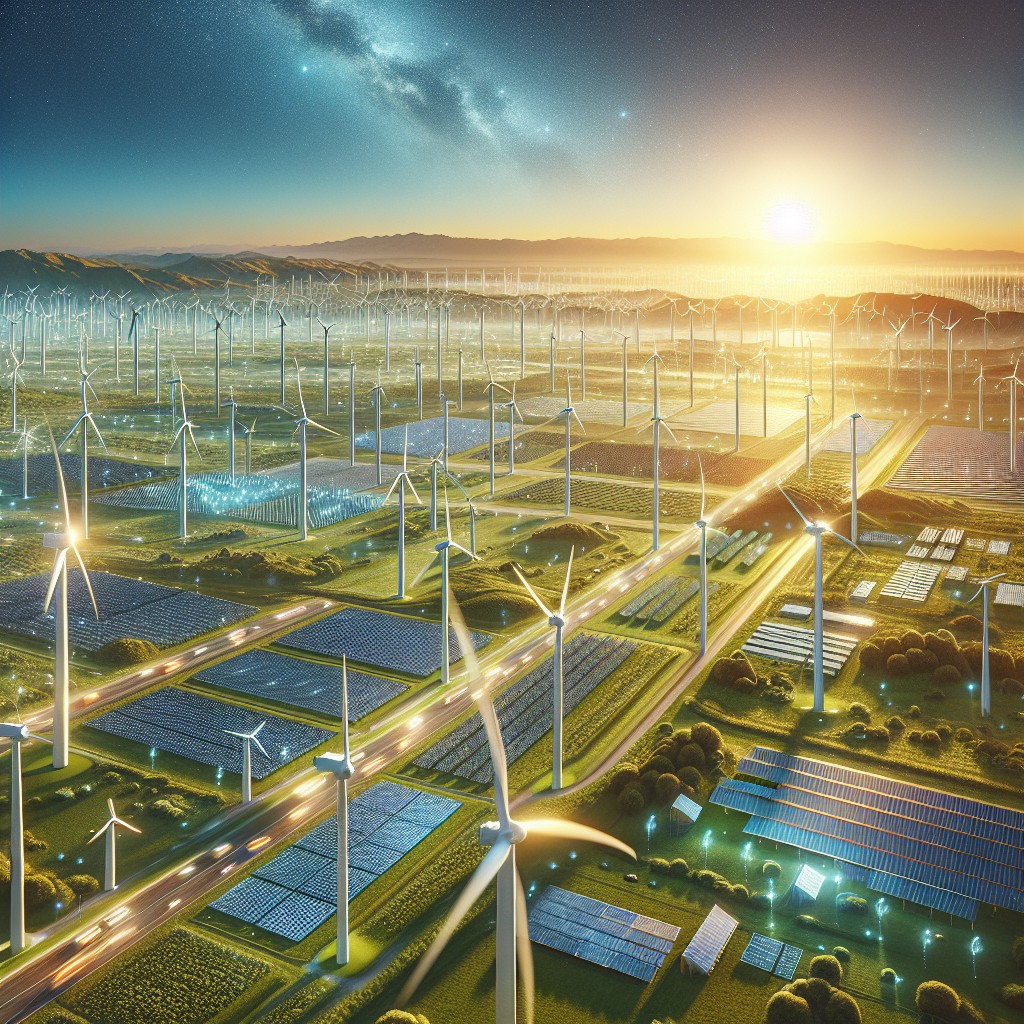
Recent findings in climate science indicate that 2026 may witness unprecedented weather patterns across the globe. Experts in various fields of meteorology have engaged in a comprehensive Climate Analysis to assess how various climatic changes will reshape weather conditions, with alarming implications for ecosystems and human activities alike.
Projected Temperature Increases
The rising global temperatures are a focal point of climate change discussions, with projections indicating that average global temperatures could rise by an additional 1.5 degrees Celsius by 2026. Such increases are primarily attributed to greenhouse gas emissions from industrial activities and deforestation. This significant temperature rise could lead to more extreme weather events, including severe droughts in some regions and flooding in others, fundamentally altering existing ecosystems.
Impact on Global Weather Patterns
Climate experts also foresee a notable shift in precipitation patterns as seen in the Climate Analysis conducted by the World Meteorological Organization. Changes in regional climates will likely lead to an intensification of storms and erratic rainfall, especially in equatorial and coastal regions. Additionally, areas previously thought to be stable might experience unexpected weather variability, complicating agricultural practices and water management systems globally.
Increasing Frequency of Extreme Events
Research indicates that extreme weather events—such as hurricanes, heatwaves, and wildfires—are expected to become more frequent and severe by 2026. This change can be traced back to the rising ocean temperatures, which can intensify the energy and duration of storms, as noted in multiple climate studies. Furthermore, the interconnectedness of weather systems means that regions can experience knock-on effects from extreme weather elsewhere, disrupting global supply chains and increasing risks to human health.
As climate scientists continue their Climate Analysis, it becomes increasingly clear that mitigating these predicted changes requires immediate and coordinated global efforts. The integration of climate resilience strategies into policy frameworks will be vital to prepare for these predicted shifts in weather patterns. Failure to act may lead to devastating consequences for both the environment and economies worldwide.
Frequently Asked Questions about Climate Analysis
What does Climate Analysis involve?
Climate Analysis involves the study of historical weather patterns and current climate data to predict future climate changes and their impacts.
How are predictions in Climate Analysis made?
Predictions in Climate Analysis are made using climate models, historical data, and scientific research to forecast future weather patterns.
Why is Climate Analysis important?
Climate Analysis is important as it helps policymakers and communities prepare for climate-related risks and adopt necessary adaptation strategies.
Who conducts Climate Analysis?
Climate Analysis is conducted by meteorologists, climatologists, and researchers from various institutions, including government agencies and universities.
What are the implications of Climate Analysis findings?
The implications of Climate Analysis findings can include changes in policy, disaster preparedness, and sustainable development practices to address climate change challenges.